

Do you remember a holiday season where you didn’t worry about money? Buying gifts, decorating, and entertaining can make it hard to keep track of your budget.
As the holidays get closer, we all face the challenge of balancing our desire to give with our need to manage money. It’s important to spend wisely to avoid getting into credit card debt.
This guide aims to help you enjoy the holiday season without breaking the bank. It offers practical holiday budgeting tips to help you stay within your limits.
Key Takeaways
- Effective strategies for creating a holiday budget
- Tips for managing credit card debt during the holiday season
- Ideas for responsible spending on gifts and entertainment
- Methods for tracking your expenses and staying within your means
- Advice on maintaining financial stability throughout the year
The Holiday Spending Trap: Why We Overspend
As the holiday season comes, many of us tend to spend too much. This is due to emotions and outside pressures. Knowing these reasons is key to avoiding holiday debt and smart holiday spending.
Emotional Triggers During the Holiday Season
The holiday season brings back memories and feelings, making us want to spend more. We might buy gifts to recreate happy times or show love. This can lead to spending more than we should.
“The way to get started is to quit talking and begin doing.” – Walt Disney
This quote reminds us to act on managing our holiday spending.
Marketing Tactics That Encourage Impulse Buying
Retailers use many strategies to get us to spend more. These include special offers, discounts, and eye-catching displays. Knowing about these can help us make better choices.
| Marketing Tactic | Effect on Spending |
|---|---|
| Limited-time offers | Creates a sense of urgency, leading to impulse buys |
| Discounts and sales | Encourages consumers to buy more to save money |
Social Pressure and Gift-Giving Expectations
Expectations around gifts can also make us spend too much. The need to buy for family, friends, and colleagues can be overwhelming. It often puts a strain on our finances.
To fight these pressures, setting a budget and sticking to it is crucial. By being aware of emotional triggers, marketing tricks, and social norms, we can enjoy the holidays without debt.

Setting a Realistic Holiday Budget
Creating a holiday budget that fits your needs is key to a stress-free season. A good budget lets you enjoy the holidays without worrying about money. It makes sure your holiday is merry and debt-free.
Assessing Your Current Financial Situation
To make a budget that works, first check your finances. Know your income and expenses to see how much you can spend.
Calculating Your Disposable Income
Figuring out your disposable income is important. It’s the money left after paying bills and saving. Use a simple formula: Disposable Income = Total Income – (Essential Expenses + Savings).
Reviewing Past Holiday Spending Patterns
Looking at your past holiday spending can help. Check your bank and credit card statements from last year. This shows where your money went.
Determining What You Can Actually Afford
After checking your finances, decide how much you can spend. Be honest and think about your financial goals. Like saving for emergencies or paying off debt.
Creating Categories for All Holiday Expenses
Make categories for your holiday spending. This includes gifts, decorations, food, and travel. It helps you keep track of your spending.
| Expense Category | Allocated Amount | Actual Spending |
|---|---|---|
| Gifts | $200 | $180 |
| Decorations | $50 | $40 |
| Food | $300 | $320 |
| Travel | $400 | $380 |

By categorizing and budgeting, you can avoid overspending. This limits credit card debt. It ensures a financially stress-free holiday season.
Don’t Overspend for the Holidays: Creating Spending Limits
Setting realistic spending limits is key to a stress-free holiday season. It lets you enjoy the festivities without overspending. Smart holiday spending means being careful with your money and making smart choices.

Setting Per-Person Gift Spending Caps
Setting a spending cap for each person is a good way to control gift costs. It helps you avoid buying things on impulse and keeps you within budget. Think about how many people you’re buying for and plan your budget accordingly.
Allocating Funds for Holiday Meals and Entertaining
Holiday meals and parties can get expensive fast. Plan a budget for these and stick to it. Look into potluck ideas or other ways to save money to make your celebrations budget-friendly.
Budgeting for Decorations and Seasonal Activities
Decorations and activities are big parts of the holiday season. Set a budget for these and find affordable options. Making your own decorations or using old ones can save money.
Building in a Buffer for Unexpected Expenses
Even with good planning, unexpected costs can pop up. Having a buffer in your holiday budget helps handle these surprises without overspending. Try to save a small part of your budget for unexpected expenses.
Using these strategies, you can have a fun holiday season without spending too much. This way, you practice smart holiday spending and enjoy budget-friendly holiday shopping.
Smart Shopping Strategies to Save Money
To have a budget-friendly holiday season, smart shopping is key. Being informed and prepared helps cut down holiday costs. You can still enjoy quality celebrations without overspending.
Price Comparison Tools and Techniques
Price comparison tools are a great way to save. Sites like PriceGrabber and Google Shopping let you compare prices. Browser extensions like Honey also help by alerting you to price drops and offering coupons.
Taking Advantage of Sales, Coupons, and Promotions
Keep an eye out for sales and promotions. Sign up for newsletters and follow your favorite stores on social media. This way, you won’t miss out on exclusive deals. Coupons can also cut down your spending.
Cashback and Rewards Programs Worth Using
Using cashback and rewards programs is smart. Credit cards like Chase Freedom offer cashback. Platforms like Rakuten provide cashback on purchases. Always check if your favorite stores are part of these programs.
The Benefits of Shopping Early vs. Last-Minute Deals
Shopping early helps you avoid impulse buys. Many stores offer discounts for early shoppers. Last-minute deals can be good if you use apps like RetailMeNot. A good strategy is to buy non-perishable items early and look for last-minute deals on other items.
| Shopping Strategy | Benefits |
|---|---|
| Price Comparison | Ensures best deals, saves time |
| Sales and Coupons | Significant discounts, exclusive offers |
| Cashback and Rewards | Earns money back, accumulates rewards |
| Early Shopping | Avoids impulse buys, early bird discounts |
Managing Credit Card Use During the Holidays
It’s important to manage your credit card use during the holidays. This helps avoid overspending and debt. Credit cards can be convenient but can also lead to financial trouble if not used wisely.
Setting Strict Credit Card Spending Limits
Setting a strict spending limit is a good way to manage your credit card use. This helps stop impulse buys and keeps your spending in line. Try setting a holiday budget and sticking to it.
Choosing the Right Card for Holiday Purchases
Not all credit cards are the same, especially for holiday shopping. Rewards cards offer cashback or travel points but have higher interest rates. Low-interest cards save money if you carry a balance.
Rewards Cards vs. Low-Interest Options
Think about your financial situation when choosing between rewards and low-interest cards. Rewards cards are good if you pay off your balance each month. But, if you’ll carry a balance, a low-interest card is better.
Store Cards: Pros and Cons
Store cards offer discounts and rewards but have high interest rates and limited use. Consider the pros and cons before getting a store card.
Tracking Your Credit Card Spending in Real-Time
Tracking your spending in real-time helps stay within your budget. Many credit card apps let you monitor your spending.
Warning Signs You’re Accumulating Too Much Debt
Watch for signs of too much debt, like maxing out your credit limit or missing payments. If you see these signs, cut back on spending right away.
| Warning Signs | Action to Take |
|---|---|
| Maxing out credit limit | Reduce spending immediately |
| Missing payments | Contact credit card issuer for assistance |
Alternative Gift Ideas That Won’t Break the Bank
This holiday season, think about giving gifts that are meaningful but won’t cost a lot. You can show you care without spending too much. Just use a bit of creativity.
Homemade and DIY Gift Options
Making your own gifts is a thoughtful and affordable way to show you care. Try making handmade crafts, baked goods, or personalized items that match the person’s interests or hobbies.
Experience Gifts vs. Material Items
Gifts like concert tickets, cooking classes, or a family outing can make memories that last. They’re also a budget-friendly option compared to buying lots of stuff.
Group Gifts and Secret Santa Exchanges
Starting a group gift exchange or Secret Santa can help you save money. It means you don’t have to buy as many gifts, making it easier to stay within your budget.
Charitable Giving as an Alternative to Traditional Gifts
Donating to a charity in someone’s name is a meaningful gift. It’s a way to give back and honor your loved ones at the same time.
Exploring these alternative gift ideas can make your holiday season more joyful and budget-friendly. For more tips on budget-friendly holiday shopping and frugal holiday planning, keep reading our holiday spending guide.
Holiday Meal Planning on a Budget
Planning your holiday meal can be fun and affordable. It’s all about smart planning. Think about the cost and how much you’ll enjoy the meal.
Cost-Effective Menu Planning Strategies
Choose seasonal and local ingredients for your menu. They’re often cheaper than rare or out-of-season foods. Opt for dishes like soups or stews. They’re tasty and save money.
Potluck Approaches for Shared Expenses
Hosting a potluck can help split the cost. Everyone brings a dish, making the meal more varied and affordable.
Grocery Shopping Tips for Holiday Meals
Make a shopping list and stick to it. Buying in bulk and using coupons can save a lot. Shop during sales to cut costs even more.
Avoiding Food Waste During Holiday Gatherings
Plan your portions to avoid waste. Use leftovers creatively. Proper storage keeps food fresh.
| Tips | Benefits |
|---|---|
| Plan around seasonal ingredients | Cost-effective, fresh taste |
| Organize a potluck | Shared expenses, varied dishes |
| Shop with a list | Avoids impulse buys, saves money |
With these tips, you can have a great holiday meal without breaking the bank. It’s all about smart planning and being mindful of your budget.
Saving on Holiday Travel and Accommodations
Travel costs are going up, so it’s key to find ways to save. Planning early can cut down your expenses a lot.
Booking Strategies for Lower Prices
Booking early can get you better deals on travel and places to stay. Here are some tips:
Best Times to Book Flights and Hotels
Booking flights 21 days early and hotels 71 days before can save you money. Being flexible with your travel dates can also help.
Using Points and Miles Effectively
If you have travel points or miles, use them for your holiday trips. This can lower what you pay out of pocket. Always check for any blackout dates or restrictions before booking.
Alternative Travel Options to Consider
Looking at other travel options can save you money. For example, trains or buses might be cheaper than flying for short trips.
Accommodation Savings Tips
For places to stay, think about vacation rentals or budget hotels. Websites with last-minute deals can also help. Just make sure to read reviews and check the location.
By using these tips, you can have a cheaper and less stressful holiday trip. The main thing is to plan early and be flexible.
Digital Tools for Holiday Budget Tracking
Managing holiday expenses is easier with digital tools. These tools help you keep track of your spending. This way, you can avoid going over budget and reduce credit card debt.
Apps That Help Monitor Holiday Spending
Many apps are made to track holiday expenses. They let you set budgets and get alerts when you’re close to your limit. Mint, You Need a Budget (YNAB), and Spendee are some popular ones.
Digital Envelope Systems for Budget Categories
Digital envelope systems help you manage money for different things. This includes gifts, decorations, and fun activities. It gives you a clear view of how much you’re spending in each area.
Automated Alerts for Budget Overruns
Automated alerts can keep you on track. Many apps and banks offer this feature. They send you a message when you’ve spent too much.
Spreadsheet Templates for Holiday Budget Management
If you like working with spreadsheets, there are templates for that too. They let you make a budget plan and track your spending by hand.
Creating New Holiday Traditions That Cost Less
Enjoy a festive holiday season without breaking the bank. Focus on what truly matters. Create new traditions to have fun without overspending.
Free and Low-Cost Holiday Activities for Families
Try outdoor activities like hiking, picnics, or winter walks. Look for free community events like holiday lights, parades, or markets.
Focusing on Experiences Rather Than Things
Move from buying gifts to experiences. Plan a game night, cook a meal together, or go to a local event. As one expert says, ”
The best things in life are not things.
Community-Based Celebration Ideas
Join potluck dinners or community events. Everyone brings something, saving money and building community.
Virtual Gatherings to Reduce Travel Expenses
For distant family or friends, have a virtual holiday gathering. It’s a budget-friendly way to stay connected without travel costs.
These ideas help you enjoy a joyful holiday season. They support frugal holiday planning and smart holiday spending. This way, you can avoid holiday debt.
Post-Holiday Debt Management Strategies
The holiday season may be over, but for many, the financial impact lingers in the form of debt. Managing this debt is crucial for maintaining financial stability and reducing stress. Effective strategies can help you tackle the debt and prepare for future holiday seasons.
Creating a Debt Repayment Plan
The first step in managing post-holiday debt is to create a realistic repayment plan. Start by listing all your debts, including credit card balances, and their respective interest rates. Prioritize debts with the highest interest rates or those with the smallest balances to gain momentum. Consider using the snowball method or avalanche method to structure your payments.
Consolidation Options for Holiday Credit Card Debt
If you have multiple credit card debts, consolidating them into a single loan with a lower interest rate can simplify your payments and potentially save you money. Look into balance transfer credit cards or personal loans designed for debt consolidation. Be cautious of fees associated with these options and ensure you understand the terms.
Building an Emergency Fund for Next Year’s Holidays
To avoid falling into the same debt trap next year, start building an emergency fund or a holiday savings plan. Allocate a portion of your monthly income into a dedicated savings account. This fund will help you cover holiday expenses without relying on credit.
Learning from This Year’s Spending Mistakes
Reflecting on your holiday spending can provide valuable insights into areas where you can improve. Analyze your budget and identify categories where you overspent. Use this information to adjust your budget and spending habits for the next holiday season.
| Strategy | Description | Benefit |
|---|---|---|
| Debt Repayment Plan | List debts, prioritize, and pay systematically | Reduces debt efficiently |
| Debt Consolidation | Combine debts into a single, lower-interest loan | Simplifies payments, potentially lowers interest |
| Emergency Fund | Save monthly for future holiday expenses | Avoids future debt, reduces financial stress |
By implementing these strategies, you can effectively manage your post-holiday debt and set yourself up for a more financially stable future.
Celebrating a Financially Responsible and Joyful Holiday Season
As the holiday season ends, it’s key to think about spending wisely. Setting a holiday budget helps you enjoy the season without overspending. You can find joy in the holidays without breaking the bank.
Managing credit card use is vital to avoid overspending. Look for gifts that fit your budget. This way, you can keep your holiday spending in check and stay financially stable.
Using these tips, you’ll have a stress-free holiday season. Focus on what’s important: time with loved ones and making memories. By spending wisely, you’ll start the new year on a happy and stable note.
FAQ
How can I avoid overspending during the holiday season?
What are some effective ways to manage credit card debt during the holidays?
How can I save money on holiday travel and accommodations?
What are some budget-friendly holiday meal planning strategies?
How can I create a debt repayment plan after the holiday season?
What digital tools can help me track my holiday spending?
How can I make the holiday season more financially responsible and joyful?
Auto Amazon Links: No products found.

(Pack of 2) Replacement Remote Control Only for Roku TV, Compatible for TCL Roku/Hisense Roku/Onn Roku/Sharp Roku/Element Roku/Westinghouse Roku/Philips Roku Smart TVs (Not for Roku Stick and Box)
$9.98 (as of 16:02 GMT -04:00 - More infoProduct prices and availability are accurate as of the date/time indicated and are subject to change. Any price and availability information displayed on [relevant Amazon Site(s), as applicable] at the time of purchase will apply to the purchase of this product.)
Anker Charger, 65W 3-Port Fast Compact Foldable USB C Charger Block for MacBook Pro/Air, iPad Pro, Galaxy S20, Dell XPS 13, Note 20/10+, iPhone 17 Series, Steam Deck, and More
$29.99 (as of 16:02 GMT -04:00 - More infoProduct prices and availability are accurate as of the date/time indicated and are subject to change. Any price and availability information displayed on [relevant Amazon Site(s), as applicable] at the time of purchase will apply to the purchase of this product.)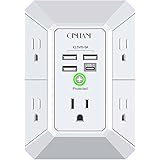
Wall Charger, Surge Protector, QINLIANF 5 Outlet Extender with 4 USB Charging Ports, 3-Sided 1680J Power Strip Multi Plug Adapter Spaced for Home Travel Office
$9.99 (as of 16:02 GMT -04:00 - More infoProduct prices and availability are accurate as of the date/time indicated and are subject to change. Any price and availability information displayed on [relevant Amazon Site(s), as applicable] at the time of purchase will apply to the purchase of this product.)
MOBDIK 2 Pack Paperfeel Screen Protector Compatible with iPad A16 11th/10th Generation 2025/2022 & iPad Air 11 M4/M3/M2 2026/2025/2024, Crafted for Natural Writing, Anti Glare, Easy Installation
$6.38 (as of 16:02 GMT -04:00 - More infoProduct prices and availability are accurate as of the date/time indicated and are subject to change. Any price and availability information displayed on [relevant Amazon Site(s), as applicable] at the time of purchase will apply to the purchase of this product.)
Apple AirPods Pro 3 Wireless Earbuds, Active Noise Cancellation, Live Translation, Heart Rate Sensing, Hearing Aid Feature, Bluetooth Headphones, Spatial Audio, High-Fidelity Sound, USB-C Charging
$224.00 (as of 16:02 GMT -04:00 - More infoProduct prices and availability are accurate as of the date/time indicated and are subject to change. Any price and availability information displayed on [relevant Amazon Site(s), as applicable] at the time of purchase will apply to the purchase of this product.)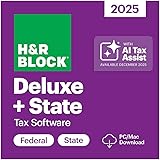
H&R Block Tax Software Deluxe + State 2025 Win/Mac [PC/Mac Online Code]
$49.97 (as of 16:02 GMT -04:00 - More infoProduct prices and availability are accurate as of the date/time indicated and are subject to change. Any price and availability information displayed on [relevant Amazon Site(s), as applicable] at the time of purchase will apply to the purchase of this product.)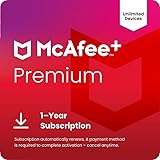
McAfee+ Premium Individual Unlimited Devices | AntiVirus Software 2026 for Windows PC & Mac, AI Scam Detection, VPN, Data Removal, Identity Monitoring |1-Year Subscription with Auto-Renewal | Download
$44.99 (as of 16:02 GMT -04:00 - More infoProduct prices and availability are accurate as of the date/time indicated and are subject to change. Any price and availability information displayed on [relevant Amazon Site(s), as applicable] at the time of purchase will apply to the purchase of this product.)
Wyze Security Plan - Cam Unlimited | Unlimited Cameras | 1 Month Subscription. Full AI features | Facial Recognition for Friendly Faces | Smart Detection for Person, Pet, Package, Vehicle and Glass Break | Security Surveillance and Monitoring | Rolling 14 Days Event Video Recording | Activation Required | Cancel Anytime
$9.99 (as of 16:02 GMT -04:00 - More infoProduct prices and availability are accurate as of the date/time indicated and are subject to change. Any price and availability information displayed on [relevant Amazon Site(s), as applicable] at the time of purchase will apply to the purchase of this product.)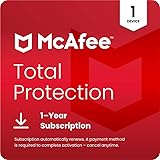
McAfee Total Protection 1-Device | AntiVirus Software 2026 for Windows PC & Mac, AI Scam Detection, VPN, Password Manager, Identity Monitoring | 1-Year Subscription with Auto-Renewal | Download
$19.99 (as of 16:02 GMT -04:00 - More infoProduct prices and availability are accurate as of the date/time indicated and are subject to change. Any price and availability information displayed on [relevant Amazon Site(s), as applicable] at the time of purchase will apply to the purchase of this product.)
McAfee Total Protection 3-Device | 15 Month Subscription with Auto-Renewal | AI Scam Detection, AntiVirus Software 2026 for Windows PC & Mac, VPN, Password Manager, Identity Monitoring | Download
$21.99 (as of 16:02 GMT -04:00 - More infoProduct prices and availability are accurate as of the date/time indicated and are subject to change. Any price and availability information displayed on [relevant Amazon Site(s), as applicable] at the time of purchase will apply to the purchase of this product.)
blink plus plan with monthly auto-renewal
$11.99 (as of 16:02 GMT -04:00 - More infoProduct prices and availability are accurate as of the date/time indicated and are subject to change. Any price and availability information displayed on [relevant Amazon Site(s), as applicable] at the time of purchase will apply to the purchase of this product.)
6Ft Power Strip Surge Protector - Yintar Extension Cord with 6 AC Outlets and 3 USB Ports for for Home, Office, Dorm Essentials, 1680 Joules, ETL Listed, (Black)
$9.99 (as of 16:02 GMT -04:00 - More infoProduct prices and availability are accurate as of the date/time indicated and are subject to change. Any price and availability information displayed on [relevant Amazon Site(s), as applicable] at the time of purchase will apply to the purchase of this product.)
HP Envy 6155e Wireless All-in-One Color Inkjet Printer, Portobello, Print, scan, copy, Duplex printing Best-for-home, 3 month Instant Ink trial included, AI-enabled (714L5A)
$79.89 (as of 16:02 GMT -04:00 - More infoProduct prices and availability are accurate as of the date/time indicated and are subject to change. Any price and availability information displayed on [relevant Amazon Site(s), as applicable] at the time of purchase will apply to the purchase of this product.)
FUJIFILM Instax Mini Instant Film Twin Pack (White), 20 Photos
$16.98 (as of 16:02 GMT -04:00 - More infoProduct prices and availability are accurate as of the date/time indicated and are subject to change. Any price and availability information displayed on [relevant Amazon Site(s), as applicable] at the time of purchase will apply to the purchase of this product.)
Apple Watch Series 11 [GPS 42mm] Smartwatch with Rose Gold Aluminum Case with Light Blush Sport Band - S/M. Sleep Score, Fitness Tracker, Health Monitoring, Always-On Display, Water Resistant
$329.00 (as of 16:02 GMT -04:00 - More infoProduct prices and availability are accurate as of the date/time indicated and are subject to change. Any price and availability information displayed on [relevant Amazon Site(s), as applicable] at the time of purchase will apply to the purchase of this product.)
Acrobat Pro | 1-Month Subscription | PDF Software |Convert, Edit, E-Sign, Protect |Activation Required [PC/Mac Online Code]
$29.99 (as of 16:02 GMT -04:00 - More infoProduct prices and availability are accurate as of the date/time indicated and are subject to change. Any price and availability information displayed on [relevant Amazon Site(s), as applicable] at the time of purchase will apply to the purchase of this product.)
McAfee Total Protection 1-Device | AntiVirus Software 2026 for Windows PC & Mac, AI Scam Detection, VPN, Password Manager, Identity Monitoring | 1-Year Subscription with Auto-Renewal | Download
$19.99 (as of 16:02 GMT -04:00 - More infoProduct prices and availability are accurate as of the date/time indicated and are subject to change. Any price and availability information displayed on [relevant Amazon Site(s), as applicable] at the time of purchase will apply to the purchase of this product.)
Malwarebytes Premium | Amazon Exclusive | 18 Months, 2 Devices | Windows, Mac OS, Android, Apple iOS, Chrome [Online Code]
$29.99 (as of 16:02 GMT -04:00 - More infoProduct prices and availability are accurate as of the date/time indicated and are subject to change. Any price and availability information displayed on [relevant Amazon Site(s), as applicable] at the time of purchase will apply to the purchase of this product.)
McAfee+ Premium Individual Unlimited Devices | AntiVirus Software 2026 for Windows PC & Mac, AI Scam Detection, VPN, Data Removal, Identity Monitoring |1-Year Subscription with Auto-Renewal | Download
$44.99 (as of 16:02 GMT -04:00 - More infoProduct prices and availability are accurate as of the date/time indicated and are subject to change. Any price and availability information displayed on [relevant Amazon Site(s), as applicable] at the time of purchase will apply to the purchase of this product.)